
Less Waste, More Quality: How Modern Printing Is Evolving
Is printing more always the most cost-effective choice? How much paper is used before the actual print run even begins? And can exceptional print quality go hand in hand with more responsible resource management?
In today's printing industry, the final product is no longer the only measure of success. How that product is made matters just as much. More accurately planned print runs, reduced material consumption, efficient production processes, and consistently high quality are becoming increasingly important to businesses, publishers, and creative professionals.
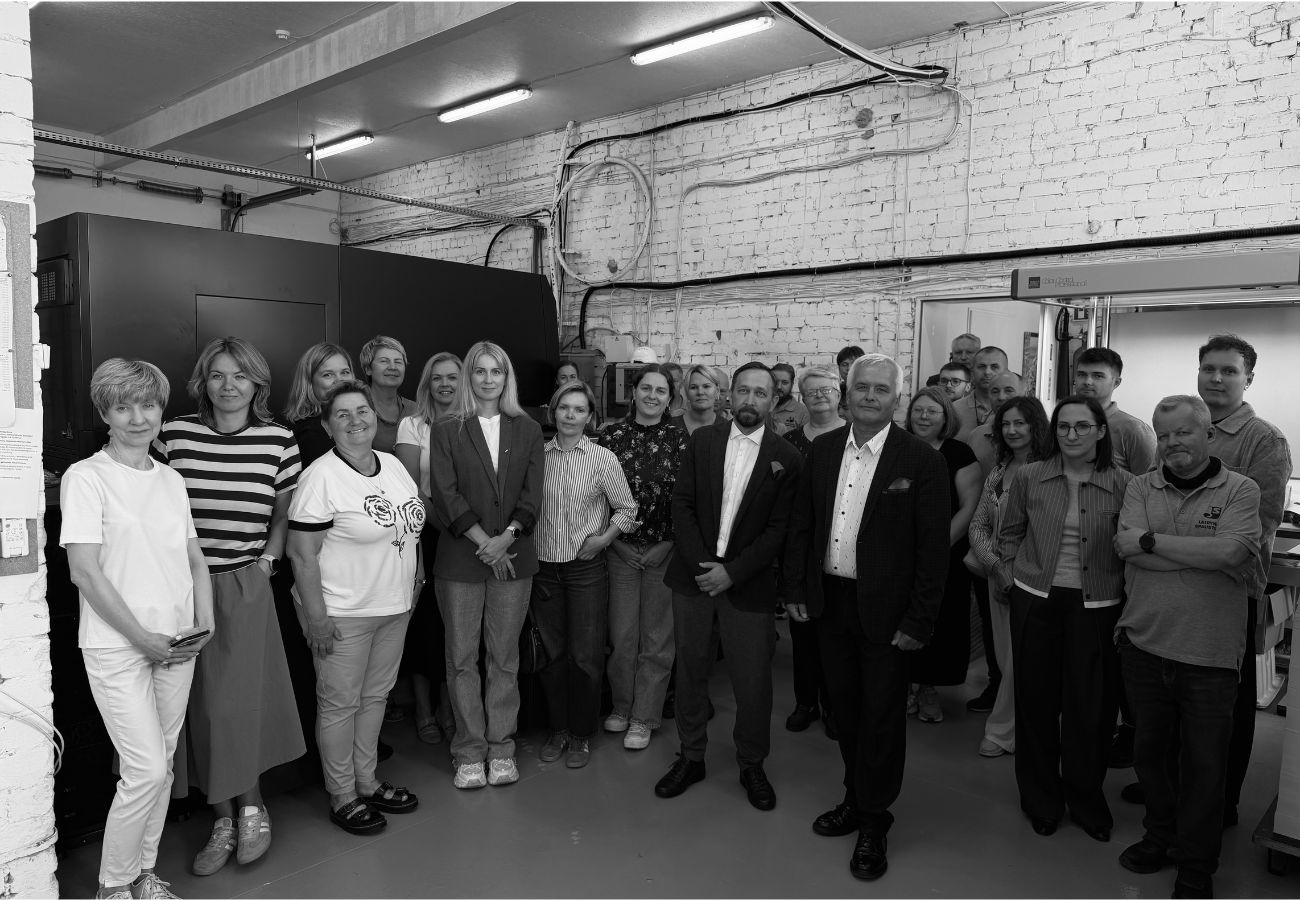
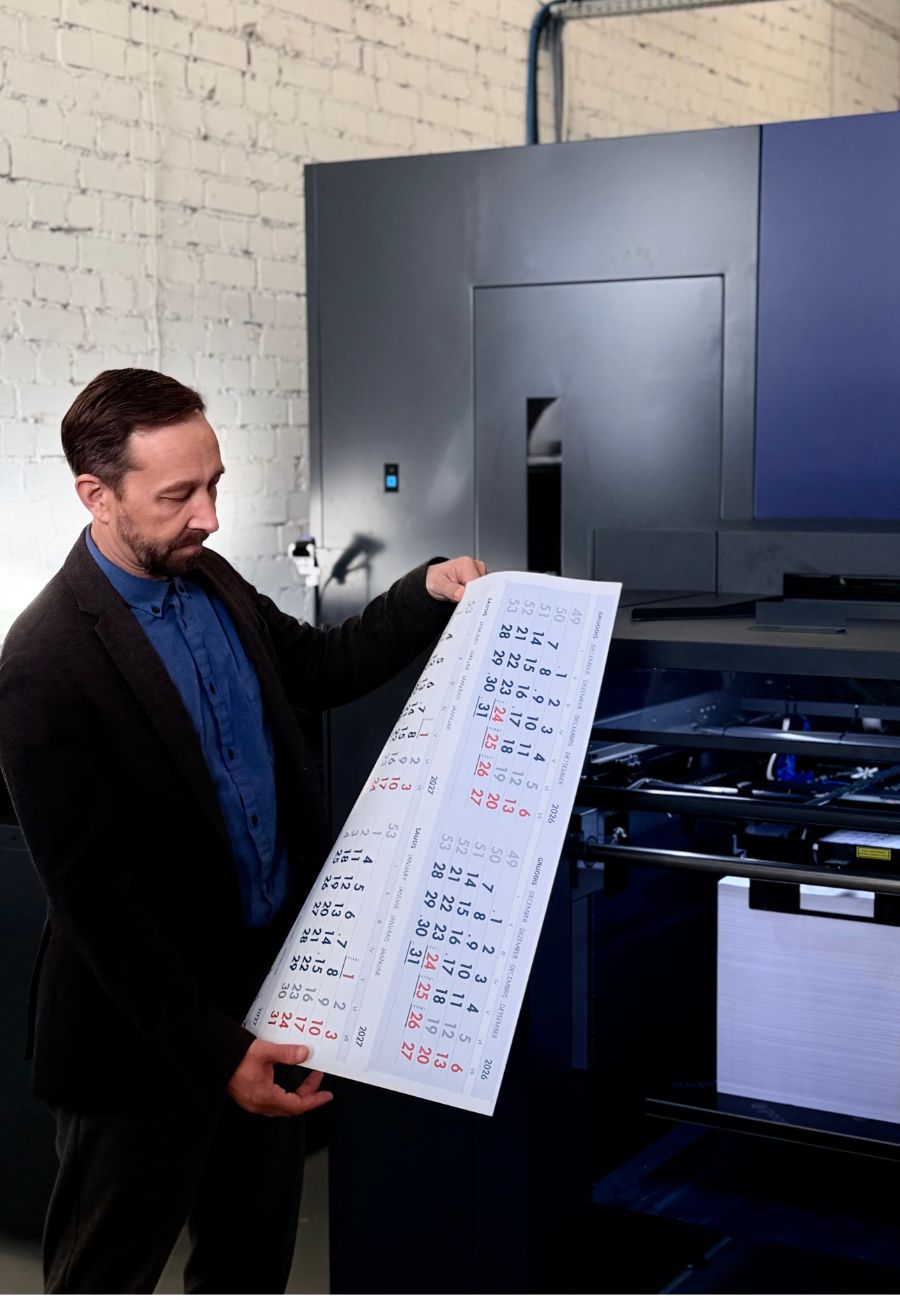
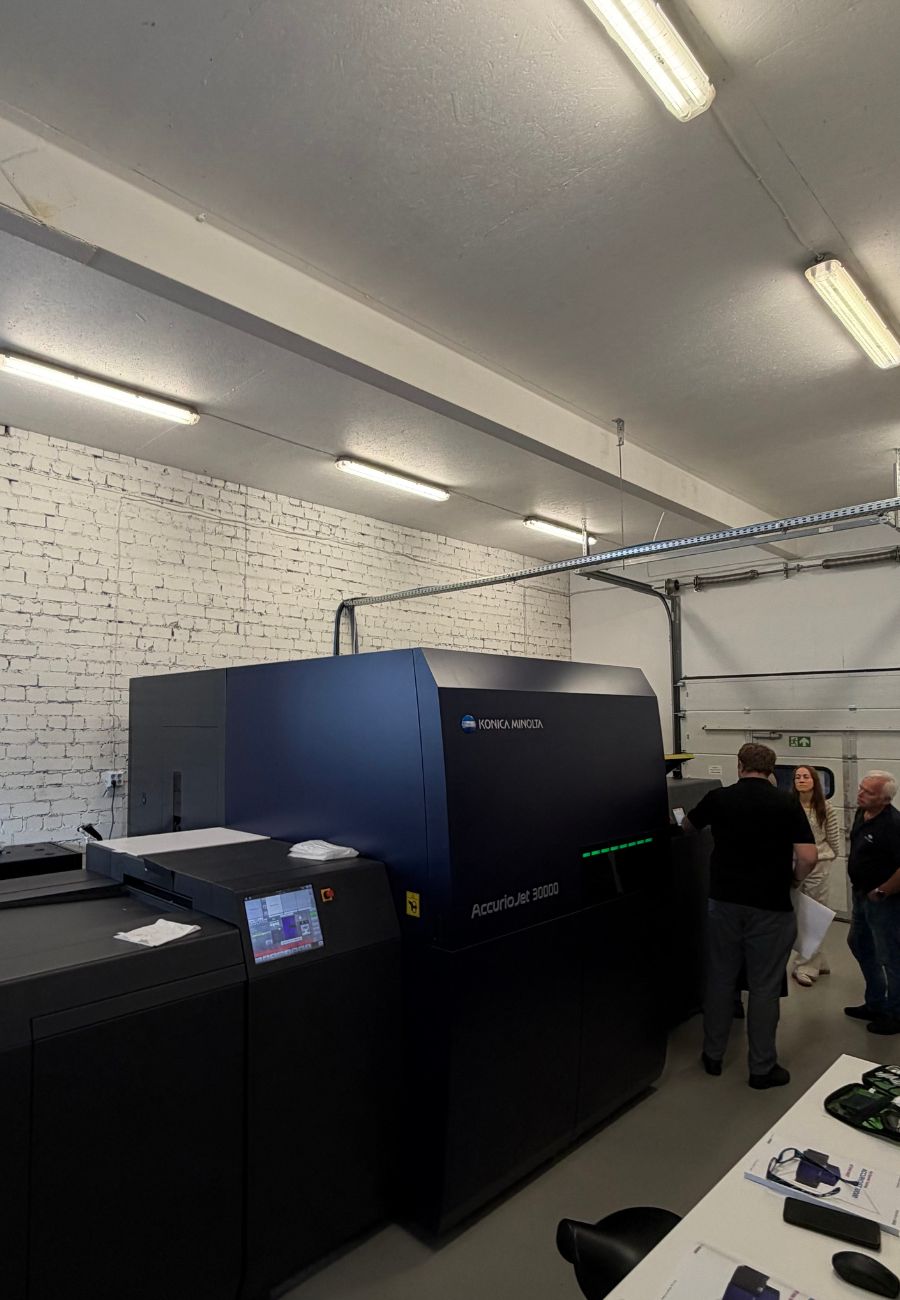
At S. Jokužys Publishing & Printing House in Lithuania, the installation of the next-generation Konica Minolta AccurioJet 30000 digital UV inkjet press marks an important step forward in bringing these priorities together.
This advanced printing technology offers greater production flexibility, more efficient use of resources, and new opportunities to deliver premium-quality printed products.
Is a Larger Print Run Always More Cost-Effective?
Imagine a company that needs 2,000 product catalogues but decides to order 5,000 because the cost per copy is lower.
A few months later, product ranges, prices, or other essential information change. Some of those catalogues remain in storage, eventually becoming outdated and unusable.
In situations like these, it is worth considering not only the cost of each printed copy but also the actual cost of each copy that is used.
Digital printing offers greater flexibility in production planning. Businesses can start with a smaller print run, reorder when necessary, update content, or produce different versions of the same publication.
This approach is particularly relevant for companies producing product catalogues, marketing materials, corporate publications, and packaging.
"Today, customers are increasingly concerned not only with how much it costs to print a single copy, but also with how many copies will actually be used. The new technology provides greater flexibility in planning print runs and helps avoid unnecessary overproduction. This benefits both businesses and more responsible resource management," says Darius Undžys, Operations Manager at S. Jokužys Publishing & Printing House.
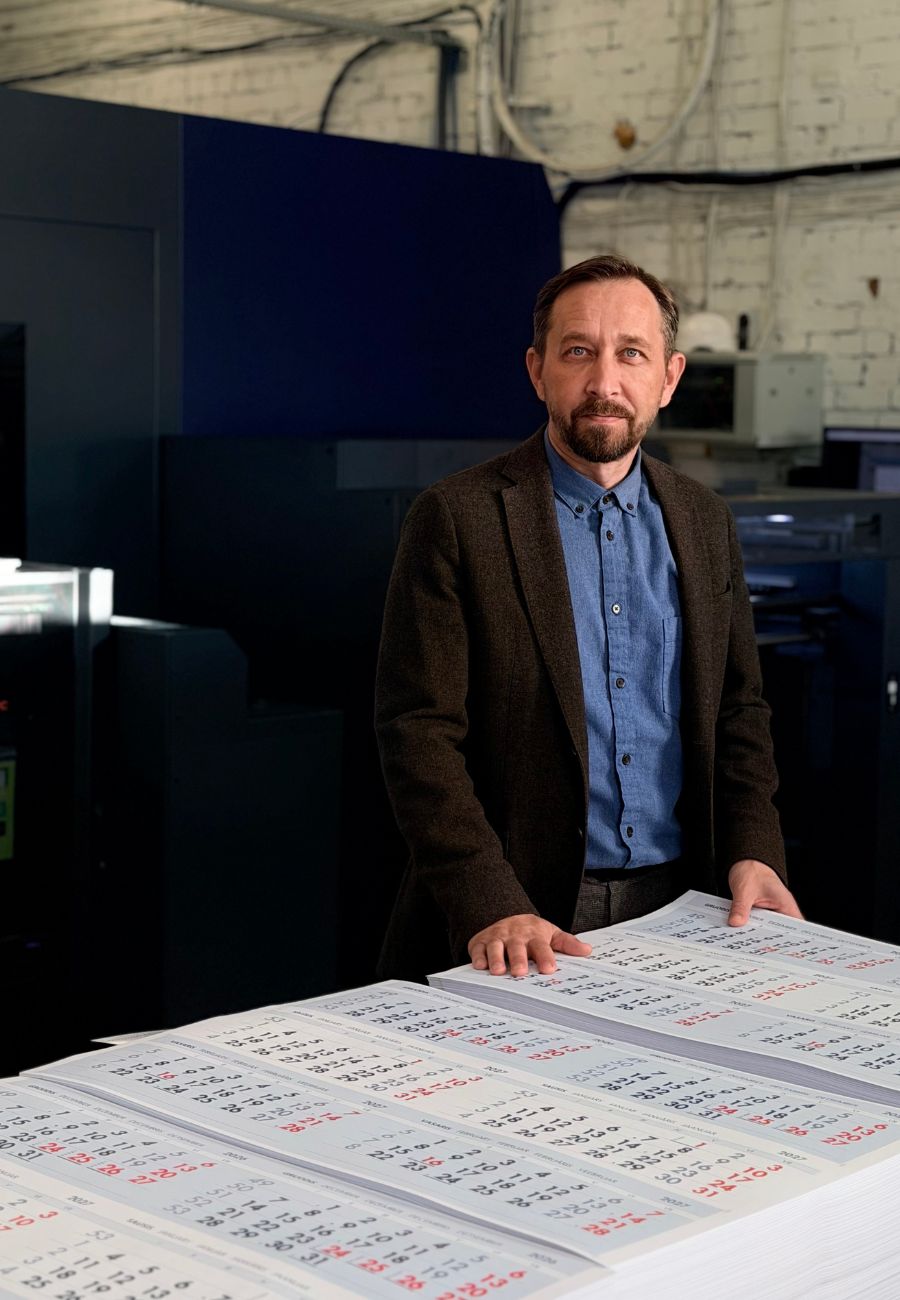
Reducing unused printed materials means not only more efficient spending but also more responsible use of paper, inks, and other production resources.
High Print Quality in Every Detail
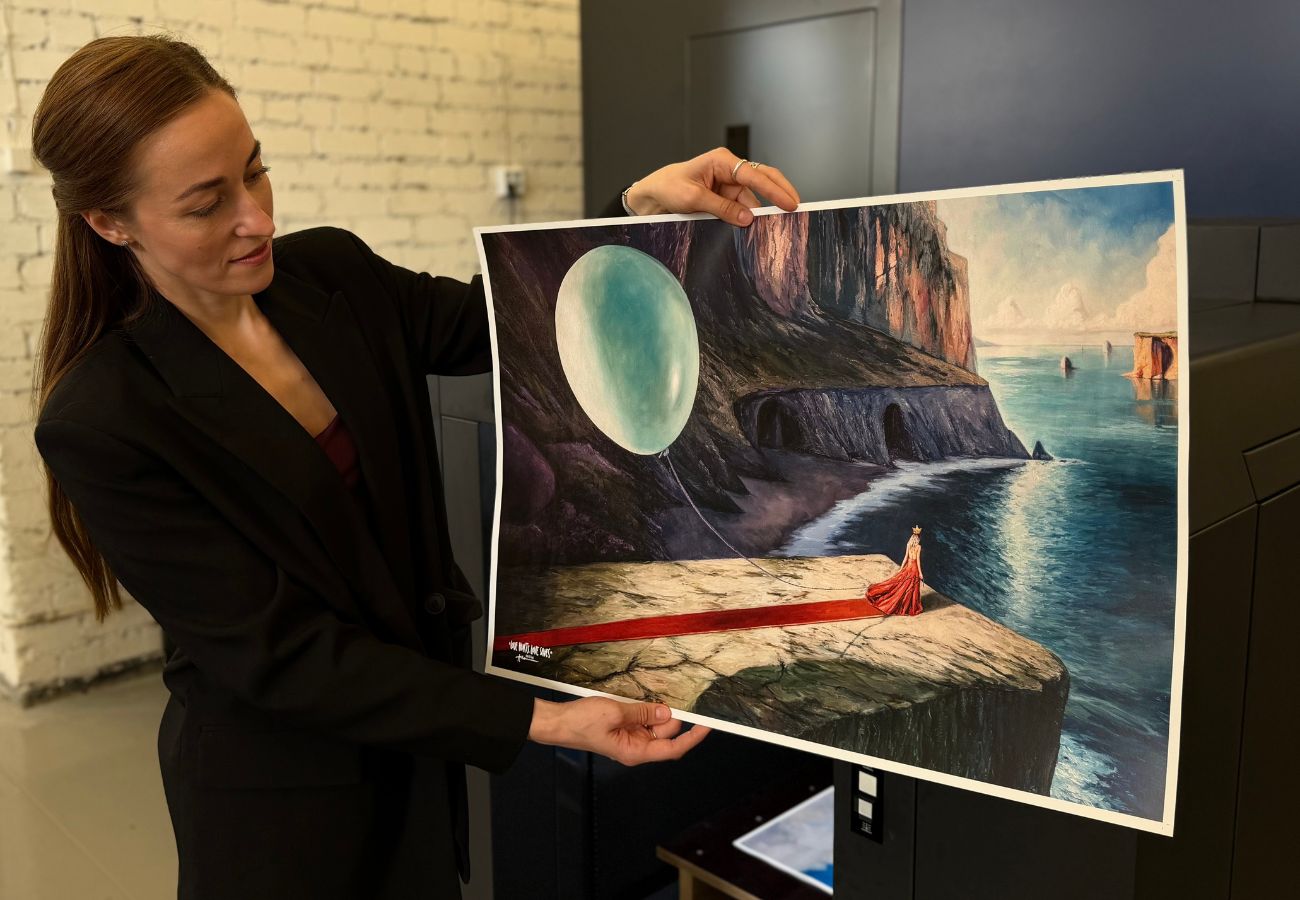
Sustainability should never come at the expense of quality. On the contrary, advanced printing technologies make it possible to combine more efficient production with outstanding print precision.
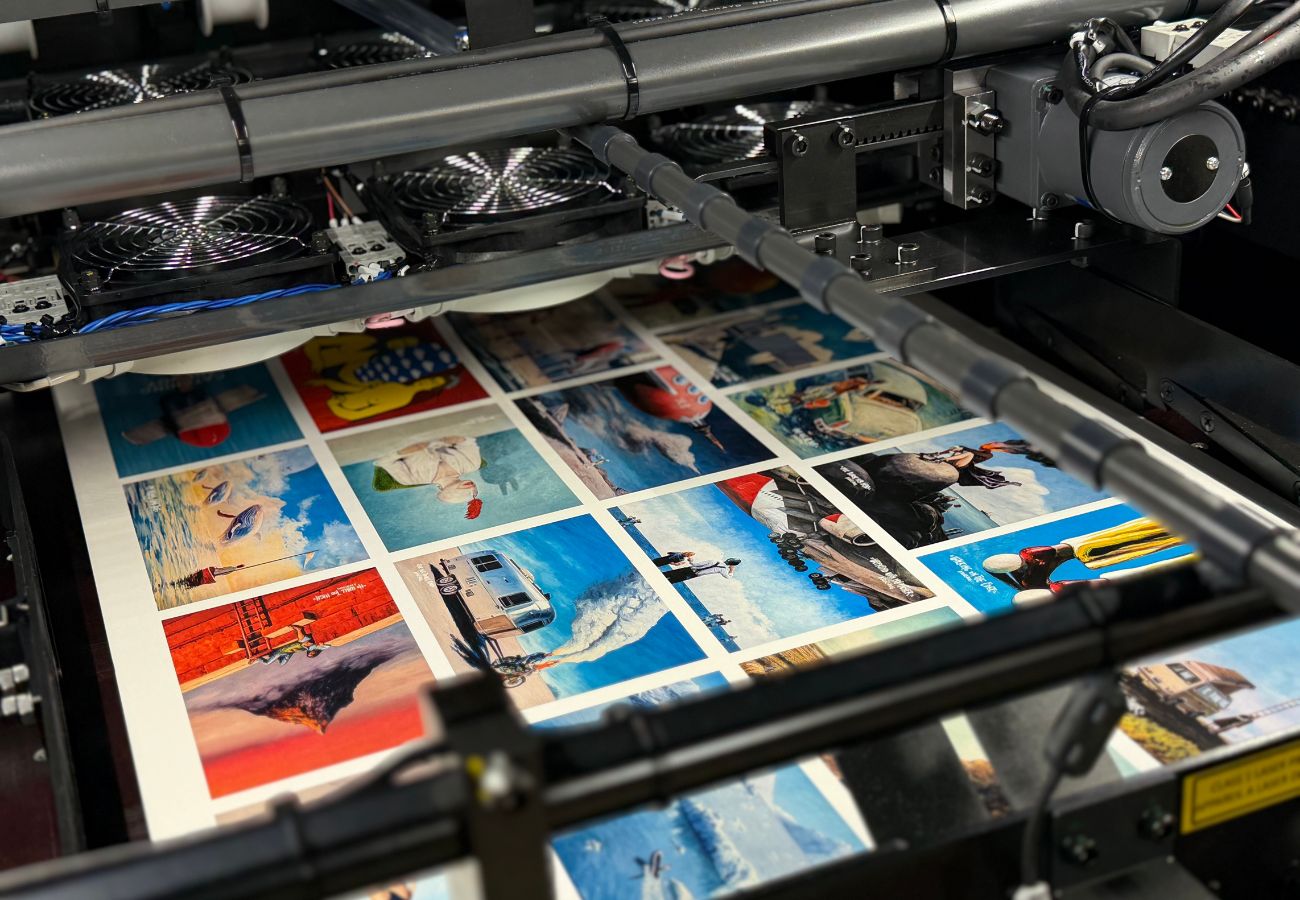
The Konica Minolta AccurioJet 30000 delivers true 1,200 × 1,200 dpi print resolution, a wide colour gamut, and advanced colour management capabilities.
Sharp photographic details, rich colours, crisp fine text, and consistent colour reproduction are especially important when producing art books, photography publications, premium corporate catalogues, and other high-value printed products.
The new technology also expands the possibilities for printing on a variety of compatible papers and substrates, including textured and speciality media.
This creates greater creative freedom for designers, publishers, artists, and businesses seeking distinctive printing solutions.
"For us, it is essential that new technologies not only improve production efficiency but also create new opportunities to enhance quality. Colour accuracy, the reproduction of fine details, and the ability to work with different materials all play an important role in delivering exceptional printing projects. However, even the most advanced equipment requires skilled professionals who know how to make the most of its capabilities," emphasises Darius Undžys.
Ultimately, outstanding print quality depends on more than technical specifications. Careful material selection, professional prepress preparation, colour control, and close supervision throughout the production process are equally important.
More Sustainable Printing Starts Before the First Sheet
One of the important advantages of modern digital printing technology is its potential to reduce material consumption at certain stages of production.
In traditional offset printing, printing plates must be prepared, ink settings adjusted, and colours registered before the actual print run begins. This process requires additional sheets of paper, commonly referred to as makeready sheets.
In digital inkjet printing, the image is transferred directly from a digital file, eliminating the need for offset printing plates.
How significant can the difference be?
Consider an illustrative example.
Suppose a printing job requires 1,000 finished, acceptable printed sheets. If one production method uses 250 additional sheets for setup and another requires only 20, the total paper consumption would be 1,250 and 1,020 sheets, respectively.
That is a difference of 230 sheets per job, representing an 18.4% reduction in total paper consumption in this example.
This calculation is illustrative and does not represent measured savings at our printing house. Actual paper consumption depends on the product, print run, materials, equipment settings, and quality requirements.
Nevertheless, the example demonstrates how selecting the right printing process can make a meaningful difference in resource efficiency.
"When we talk about sustainability in printing, we focus on practical production decisions. Sometimes even relatively small improvements – using fewer sheets during setup, planning print runs more accurately, or choosing the most suitable technology – can make a significant difference in overall resource consumption. The key is to consider the entire production process rather than isolated stages," explains Darius Undžys.
A More Responsible Approach to Inks and Production
The AccurioJet 30000 uses UV-curable inks and UV LED curing technology.
According to Konica Minolta, the inks used in this system contain no volatile organic compounds (VOCs). This is a specific characteristic of the ink formulation and an important consideration when assessing environmental aspects of printing.
UV LED technology allows the inks to cure during printing, removing the need to wait for conventional ink drying before proceeding to suitable finishing operations.
This can help shorten production cycles and improve efficiency, particularly when delivery schedules are critical.
Because digital printing does not require offset printing plates, it also eliminates the materials and processes associated with producing those plates.
However, responsible production does not mean that printing is entirely waste-free or has no environmental impact. Materials, equipment maintenance, quality control, and proper waste management remain essential parts of the process.
Another important consideration is what happens to a printed product at the end of its useful life.
Certain coated and uncoated paper samples printed using the Konica Minolta AccurioJet KM-1e, the predecessor to the AccurioJet 30000, successfully passed deinking assessments under INGEDE Method 11, developed by the International Association of the Deinking Industry.
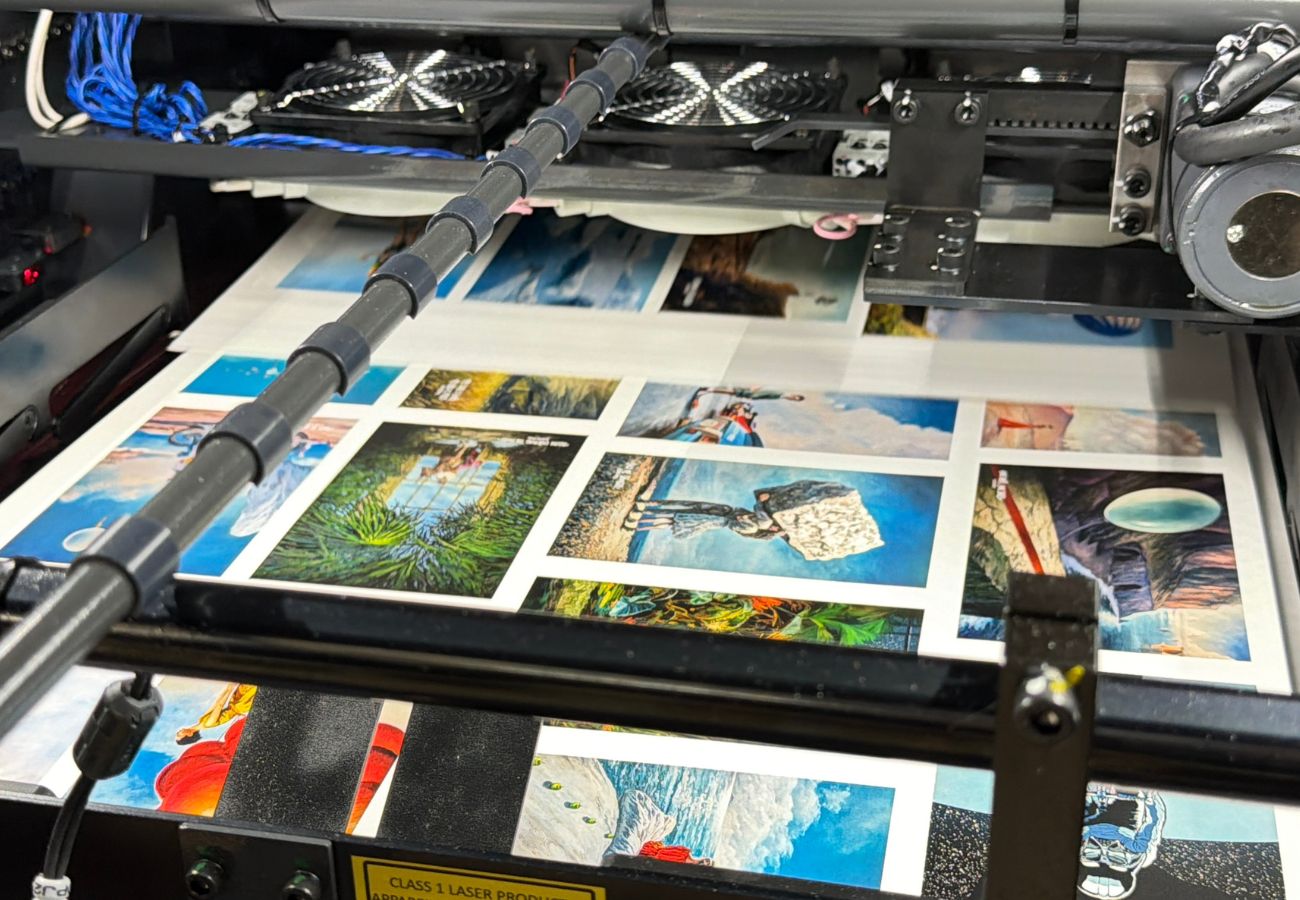
These results represent an important development in printing technology. However, they relate to the specific tested prints and do not automatically guarantee the recyclability of every finished product.
The recyclability of a printed item also depends on the complete combination of materials and finishing processes, including lamination, varnishing, and adhesives.
The AccurioJet 30000 is also included in the Japan Federation of Printing Industries' Green Printing recognised equipment register.
This recognition applies to the printing equipment itself and should not be confused with environmental certification of an individual printing company or every finished printed product.
Technology Creates Opportunities. People Deliver Results.
Even the most advanced printing press cannot independently determine which technology is best suited to a particular project.
For some jobs, offset printing remains the most appropriate solution. For others, digital printing offers greater flexibility and efficiency.
The right choice depends on several factors: print volume, paper type, format, finishing requirements, production deadlines, and, of course, quality expectations.
At S. Jokužys Publishing & Printing House, the new Konica Minolta AccurioJet 30000 does not replace decades of printing expertise – it builds upon it.
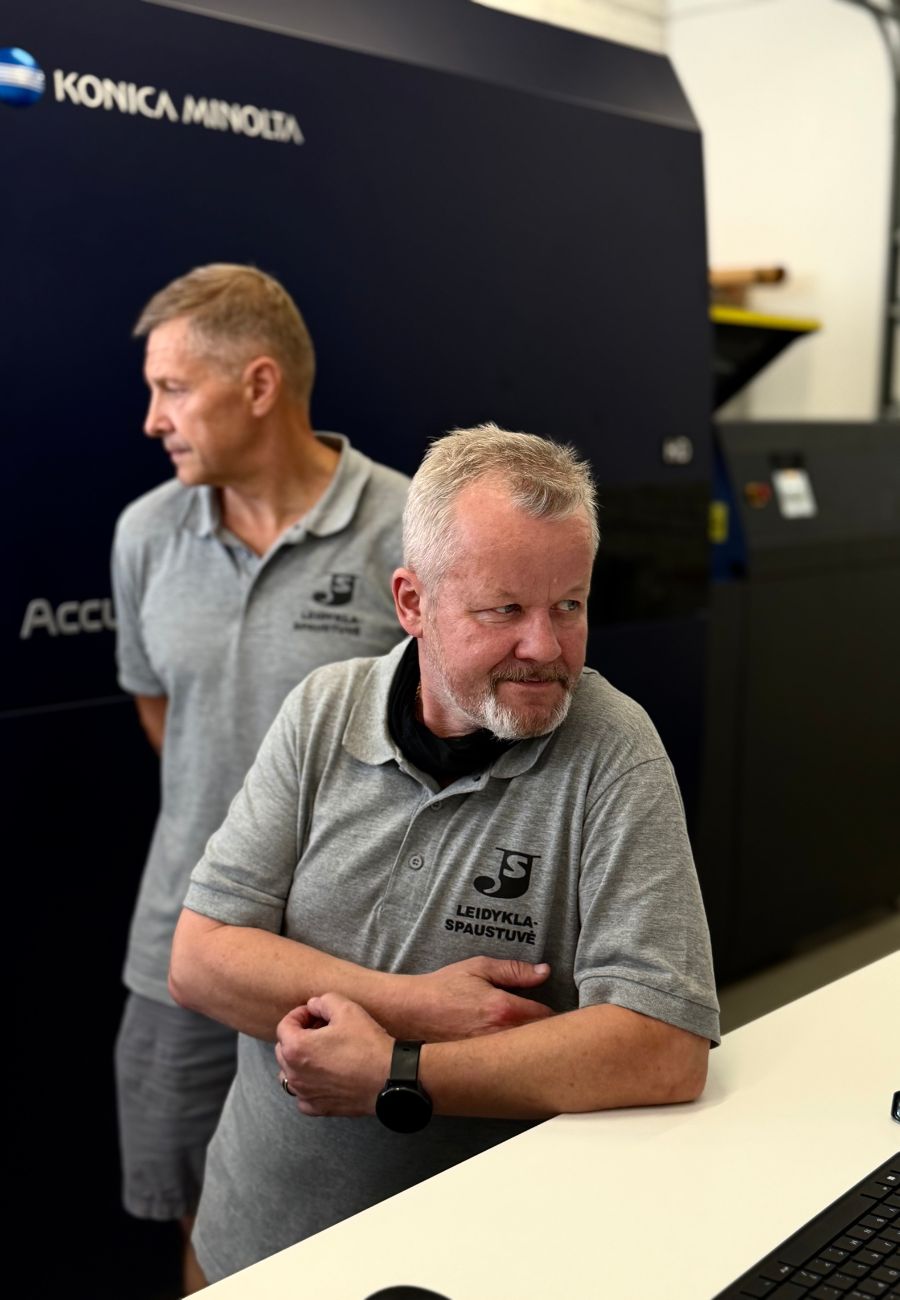
The experience of our project managers, printing technologists, prepress specialists, and press operators helps us find the most suitable solution for every order, from the initial consultation to the finished product.
"Our goal is not to print every job using the newest equipment. What matters most is understanding the customer's needs and recommending the right solution. In some cases, offset printing will be the best choice; in others, digital printing. It is the combination of technological options and our team's expertise that allows us to bring together quality, efficiency, and responsible production," concludes Darius Undžys.
For us, more sustainable printing is not simply about investing in new technology. It is about producing what is genuinely needed, maintaining high quality, and making responsible use of resources.
For our customers, this means greater choice, more flexible production, and a trusted printing partner capable of bringing even the most demanding ideas to life.
Planning Your Next Printing Project?
Our team can help you choose the most suitable printing technology, print volume, and materials to ensure the final result meets your quality expectations, production schedule, and budget.
S. Jokužys Publishing & Printing House
Klaipėda, Lithuania





Find us